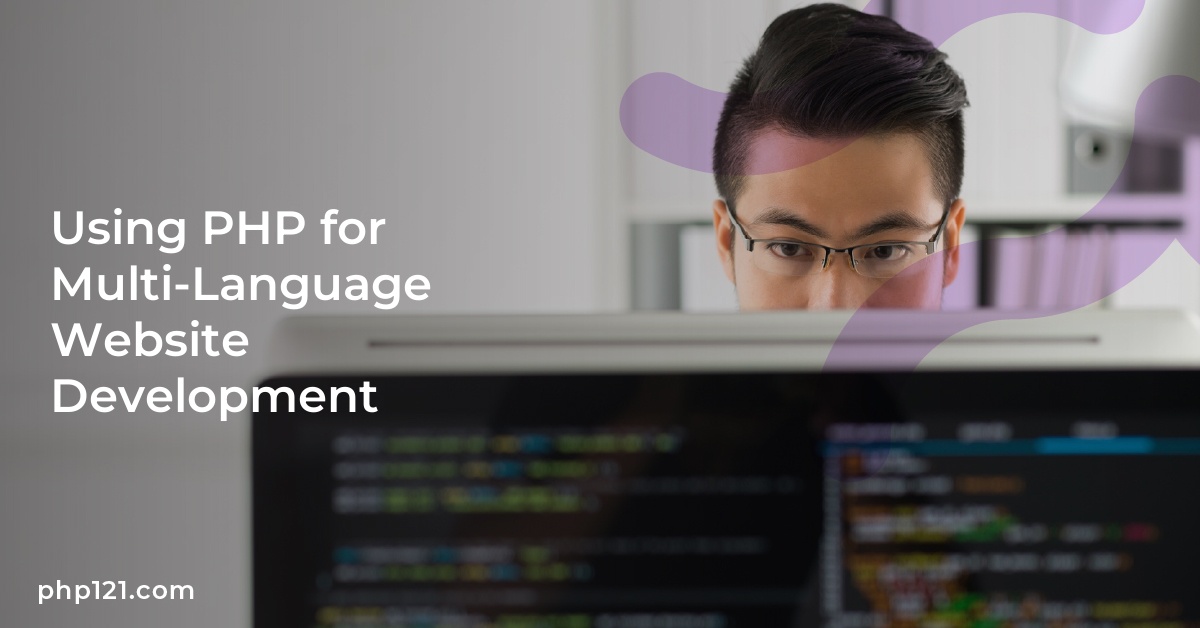
Today, making websites that support multiple languages is key to connect with global audiences. PHP is ideal for this. It’s fast and works well with many databases. By focusing on internationalization and localization, websites become easy for everyone to use.
PHP lets developers add many languages, like English, Spanish, and Italian. This helps bring pages together for a better user experience. The need for websites to speak more languages shows how important it is to reach people around the world.
Importance of Multi-Language Support in Websites
Multi-language support is crucial for websites wanting to reach a wide, global audience. By offering content in users’ native languages, they can attract more people. This approach makes websites more inclusive and expansive.
Global Reach and Inclusion
Websites with content in different languages attract readers worldwide. This not only keeps users coming back but also strengthens a business’s market position. By adopting a multi-language strategy, companies can connect with more people and build meaningful relationships.
Enhanced User Engagement and Experience
Content in a user’s own language builds trust and comfort. This leads to better user engagement and experience. When users enjoy personalized content, they stay longer on a site. This results in fewer people leaving the site quickly and more interactions. Offering content in many languages makes users feel important and understood.
Brand Reputation and Competitiveness
Having multi-language support shows a brand’s commitment to diverse user needs. It greatly improves a brand’s image in a competitive field. Brands with multilingual content often stand out against those without it. This strategy leads to greater success and visibility in the marketplace.
Using PHP for Multi-Language Website Development
Our world is more connected than ever. Having a website in many languages is key. PHP is a top choice for this. It has many benefits that help share messages in various languages. Its tools make websites dynamic and easy to use for everyone.
Advantages of PHP in Multilingual Settings
PHP is great because it’s open-source. This means many people work together to improve it. It helps developers quickly meet the need for content in many languages. By using PHP, companies can reach more people. They can connect with users in different languages.
Integration with Databases for Dynamic Content
Linking with databases correctly is crucial. It allows websites to show translations from databases. PHP does this well. It lets users easily see the content in their language.
By having organized databases, it’s easy to manage languages. You can have different columns for each language. This means users always see the content that’s right for them. It keeps the website relevant and user-friendly.
Implementing Multi-Language Features with PHP
Managing multiple languages online is key to reaching people worldwide. PHP helps make this easier, focusing on Localization Management and Database-Driven Language Support. Web developers who master these methods can offer everyone a welcoming experience online.
Localization Management Using Files
Using language configuration files is central to Localization Management. These files, like .PO and .MO, store translations in an organized way. PHP Array Files, though popular, can be hard to manage with lots of languages.
Having a structured system helps keep everything consistent. It avoids repetitive content and loads translations correctly for each user.
Database-Driven Language Support
Database-Driven Support is another useful method. It keeps translations in database tables. Columns are named after languages, such as `en_title` or `de_title. This setup makes it easy to manage and add languages.
Using databases helps developers make flexible and scalable multi-language sites. It offers a great experience for users everywhere, making your website globally friendly.

Ryan Goose, a seasoned PHP developer and tech enthusiast, brings a wealth of knowledge in web technologies. With a passion for coding and a knack for simplifying complex concepts, Ryan’s articles are a treasure trove for both budding and experienced PHP developers.